





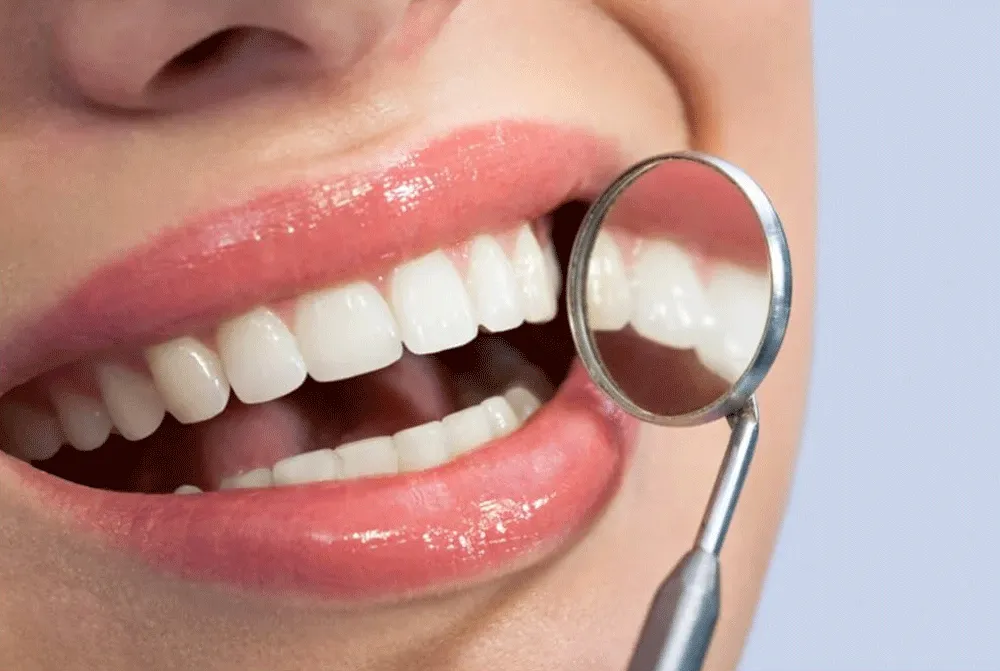
Zirconia crowns price
High-Quality and Durable Zirconia Teeth at Affordable Prices
Prices for zirconia teeth start from $400. The cost of other types varies based on size and volume. It is an ideal choice for comfort and longevity.
Zirconia teeth are metal-free dental restorations highly regarded for their aesthetic appearance. They belong to the all-ceramic crown category and are the preferred metal-free option. Zirconia treatment is ideal for patients seeking a natural smile. The material used in these aesthetic crowns is a white ceramic called zirconium dioxide, processed in specialized high-temperature furnaces. The resulting zirconia teeth are strong, durable, and natural-looking, successfully applied to both front and back teeth.
When are Zirconia Teeth Used? Zirconia treatment is applied in the following cases:
-
Restoration of decayed teeth requiring large fillings.
-
Correction of fractured or malformed teeth.
-
Aesthetic Smile Design.
-
Placement of crowns over implants.
-
Replacement of old metal-fused-to-ceramic (PFM) crowns with zirconia.
-
Preparation of zirconia bridges to fill gaps from missing teeth.
Diagnostic Methods Before Installing Zirconia Teeth The preparation stages and diagnostic methods are as follows:
-
X-ray Examination – Detailed evaluation of the tooth root, jawbone, and surrounding tissues.
-
Intraoral Examination – Checking gum health, the condition of adjacent teeth, and overall oral hygiene.
-
Tooth Surface Preparation – Shaving the tooth surface to make it smooth and even.
-
Marginal Shaping – Creating a clearance of at least 0.5 mm around the tooth for the crown to fit correctly.
-
Occlusal Reduction – Creating at least 1 mm of space for the thickness of the crown on the chewing surface.
-
Digital or Silicone Impressions – Creating a precise model of the tooth and surrounding area.
-
Shade Selection – Determining the tone closest to the natural tooth color, considering the patient's preferences.
Pricing and Includes
Price: 400$
Includes:
- hotel
Frequently asked question
Zirconia teeth are produced based on the international Vita Shade Guide to achieve a look that most closely resembles the natural tooth color. This guide is considered the global standard for color selection in dentistry, allowing for a tone that matches the patient's preferences, the existing color of their teeth, and the overall aesthetic smile plan. When selecting a color, both the aesthetic appearance and the natural light-transmitting properties of the teeth are taken into account. Because zirconia material can transmit light similarly to natural tooth enamel, the chosen tones appear more realistic. Group A – Reddish-Brownish Tones (The most preferred color group for zirconia teeth): A1 – Very light white, bright, and clean appearance. A2 – Naturally light white, one of the most frequently selected tones. A3 – Moderately dark white with a warm undertone. A4 – A warmer and darker white tone. Group B – Reddish-Yellowish Tones (Ideal for a natural look in zirconia teeth): B1 – Bright, warm white tone, slightly more yellowish compared to A1. B2 – Light, warm white. B3 – Moderate yellowish-white. B4 – A darker yellowish tone. Group C – Greyish Tones (Cool shades): C1 – Light grey undertone. C2 – Moderate grey tone. C3 – Dark grey tone. C4 – The darkest grey undertone. Group D – Reddish-Grey Tones (Neutral-brownish tones): D2 – Light brownish-grey tone. D3 – Moderate brownish-grey. D4 – Dark brownish-grey tone.
In zirconia treatment, healthy teeth are not completely removed; the tooth surface is only reshaped to allow the crown to fit properly. The shaving (reduction) is minimal, ensuring that the natural structure of the tooth is preserved. When the procedure is performed correctly, zirconia treatment does not harm the teeth; on the contrary, it protects them from external factors.
When properly manufactured, fitted, and maintained with regular oral care, zirconia teeth can last an average of 10–15 years without issues. High-quality zirconia material, professional laboratory work, and the dentist's expertise can extend this duration even further. If a patient practices proper dental hygiene and attends regular dental check-ups, the lifespan of zirconia teeth can reach up to 20 years. However, habits such as teeth grinding (bruxism), frequent biting of very hard foods, and neglecting oral hygiene can shorten this period.
Although zirconia teeth are long-lasting and provide aesthetic results, they must be maintained correctly. It is essential to follow a daily oral hygiene routine and visit the dentist regularly. It is recommended to use a soft-bristled toothbrush and non-abrasive toothpaste, along with dental floss and mouthwash for thorough cleaning.
High-quality zirconia material maintains its color for many years and does not easily stain from beverages like tea or coffee. However, maintaining overall oral hygiene is essential.
Since zirconia teeth are made of biocompatible material, they integrate naturally with the gums and do not cause allergic reactions. With proper impression-taking and placement, the risk of gum disease is reduced. However, improper preparation and neglect of hygiene can lead to gum inflammation (gingivitis).
Zirconia is one of the standout materials in modern aesthetic dentistry for both its strength and appearance. However, like any material, zirconia teeth can break or dislodge under certain conditions. Although they possess high durability, specific factors can shorten their lifespan. Reasons for Zirconia Teeth Breaking: Strong physical impact: Sudden trauma, falls, or biting into very hard substances like nuts or ice. Teeth grinding (bruxism): Unconscious excessive pressure on the teeth during the day or night. Malocclusion: Excessive load on certain teeth due to improper alignment of the bite. Technical flaws: The zirconia crown being prepared too thin or errors during laboratory processing. Reasons for Zirconia Teeth Falling Off: Weakening of the adhesive cement: The loosening of the crown as the bonding agent loses its effectiveness over time. Decay under the crown: Cavities or damage to the underlying tooth structure reduce the crown's stability. Root damage: Fractures or weakening in the root of the natural tooth or the implant. Ways to Protect Zirconia Teeth: Avoid biting down on hard foods. Use protective night guards for those suffering from bruxism. Visit the dentist regularly to check the condition of the crowns.
No FAQs available for this service.